
AT&T Hotel TV Interface
Overview
In 2018, I led the 0–1 redesign of DIRECTV’s legacy hotel TV system into “Hotel TV,” a flexible, guest-friendly platform for hospitality partners. I defined the product vision and designed an interactive prototype in Principle to demonstrate how the experience could modernize in-room entertainment without requiring new hardware.
The work opened a new revenue stream for AT&T, was featured at HITEC, and resulted in a scalable B2B interface that hotels could brand, configure, and launch easily—updating the guest experience while minimizing operational friction.
https://directvaep.com/

Prototype of Interaction designed in Principle
System Audit
To design a scalable solution for hospitality, I began with a systems audit of DIRECTV’s two primary hotel content delivery platforms. This deep dive clarified each system’s technical constraints, user flows, and integration boundaries, allowing me to ground design decisions in how the platforms actually operated rather than how they appeared on the surface.
The DIRECTV Residential Experience delivered a home-like, in-room TV interface with access to 100+ HD channels that worked across properties of any size without requiring additional equipment. This was supported by the COM3000 headend system—a compact, secure distribution platform capable of delivering up to 138 HD channels to every room while reducing space and power requirements and operating independently from hotel management systems.
DIRECTV Residential Experience Audit
I inherited the project from a previous designer and used the existing platform as a starting point to create a more seamless interaction flow. I audited the legacy experience, which supported basic Live TV and property information but lacked clear navigation, branding flexibility, and visual structure.
Building on the core functionality, I modernized the system by introducing OTT integration, faster access to Live TV, customizable settings, and a cleaner, brand-aligned design—resulting in a more intuitive and scalable hotel TV experience.
Competitive Audit
I audited Marriott, Samsung, and IPTV interfaces to evaluate their strengths and weaknesses, which shaped our design direction. Common issues included cluttered layouts, over-categorization, poor spacing, outdated visuals, and missing service previews—pointing to a need for a cleaner, more intuitive interface that highlights key services and supports hotel branding.
Marriott: Sleek design and clear navigation, but hotel info is buried under “Discover” and lacks service previews.
IPTV: Bright visuals and quick app access, but cluttered with duplicates and tight spacing.
Samsung Hilton XP: Organized layout with logical grouping, but feels outdated, wastes space, and lacks interaction feedback.
User Research & Findings
I ran internal testing with the research team, refining the prototype based on the test script and feedback from users familiar with hotel TV systems. The results were positive and revealed key insights:
They desired to utilize their personal app accounts.
Users preferred a home-like TV experience (traditional Guide)
Their viewing habits differ between home and hotel environments.
They wanted a richer hotel TV experience with weather updates, streaming apps (when available), and easy channel access.
UX Goals
UX Documentation
I created a two-part framework: a customizable App Launcher for hotel room apps and a Live TV App with a guide and video player. I defined UX specs detailing flows and interactions for developers and provided a style guide for hotels to customize the launcher.
UI Design Iterations
Through multiple UI iterations, I explored different layout structures, content groupings, and navigation patterns to optimize for a 10-foot, remote-first experience. Building on the core functionality, I introduced OTT integration, clearer entry points to Live TV, customizable hotel settings, and a cleaner, brand-aligned visual system. The final design balanced guest simplicity with hotel configurability, resulting in a more intuitive, scalable Hotel TV platform.
Final UI
The final UI introduced a modular home screen designed for hotel guests, featuring a branded welcome message, date, time, weather, and a customizable background. Core actions—Live TV, On Demand, Guest Services, and My Events—are surfaced as large, remote-friendly tiles for quick access from a 10-foot distance.
The layout prioritizes clarity and ease of navigation while remaining flexible across hotel brands and aligned with DIRECTV’s updated design system, ensuring consistency, scalability, and ease of adoption.
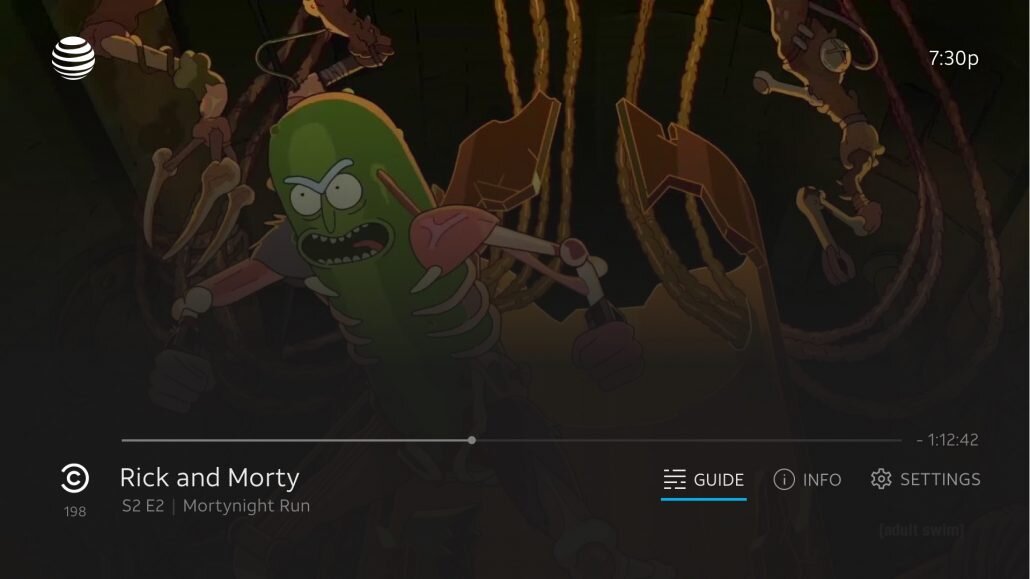
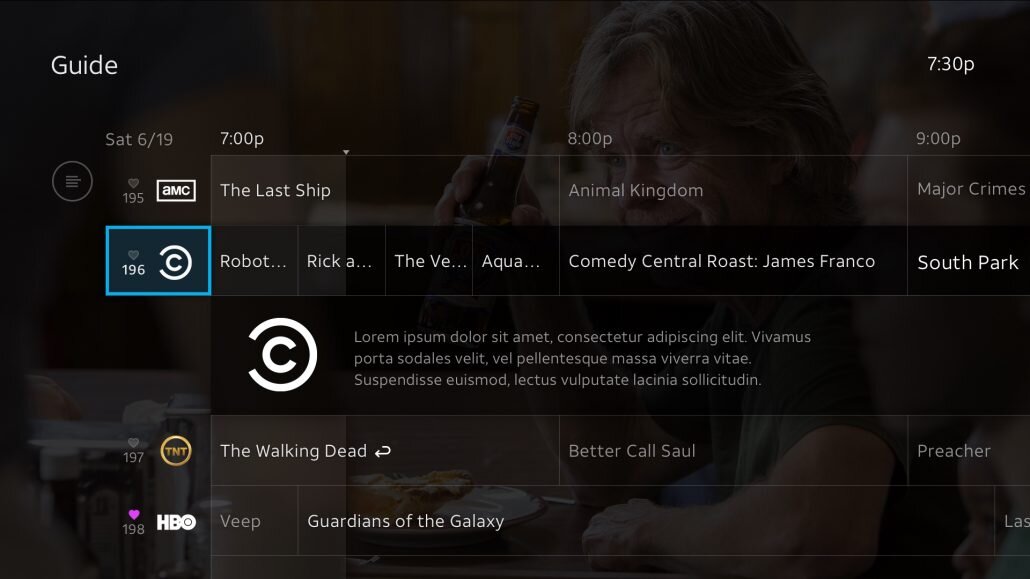
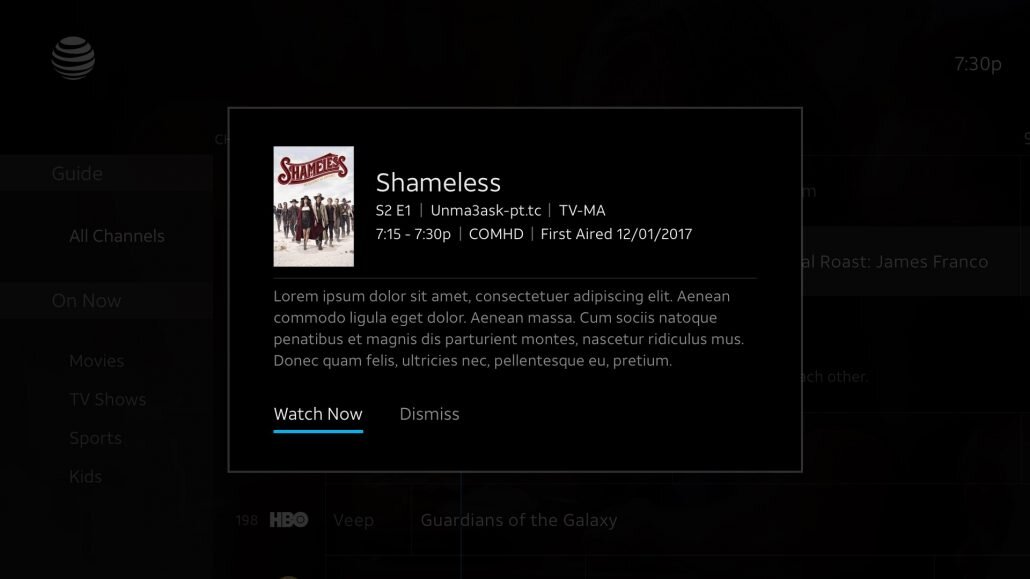
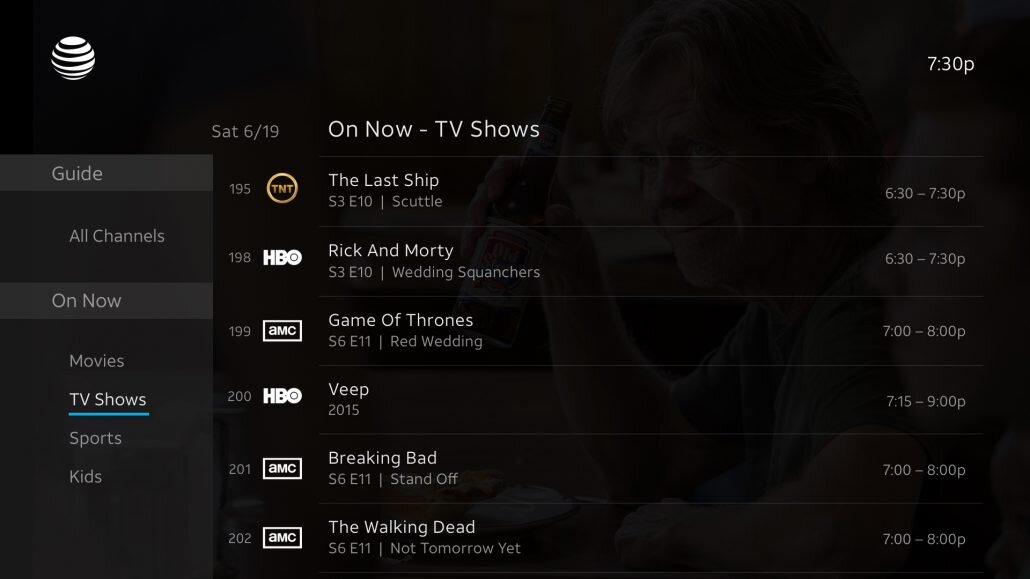
Live TV Application Key Screens:


Conclusion
By approaching the problem as a platform, not a set of screens, the modular design system became the foundation for DIRECTV’s AEP rollout across hospitality clients from 2018–2019. Designing for flexibility, reuse, and clear system boundaries allowed the experience to scale across diverse property types while reducing operational friction for both hotels and internal teams.
As a result, hotel setup time was reduced by 50% through modular templates and a simplified deployment process, property adoption increased 3× across boutique and enterprise hotels within 12 months, and guest satisfaction improved by 37%, measured through in-room usability surveys. This work demonstrated how system-level design decisions can drive faster rollout, higher adoption, and measurable business impact at scale.
Hotel TV is available for commercial businesses to purchase through https://directvaep.com/